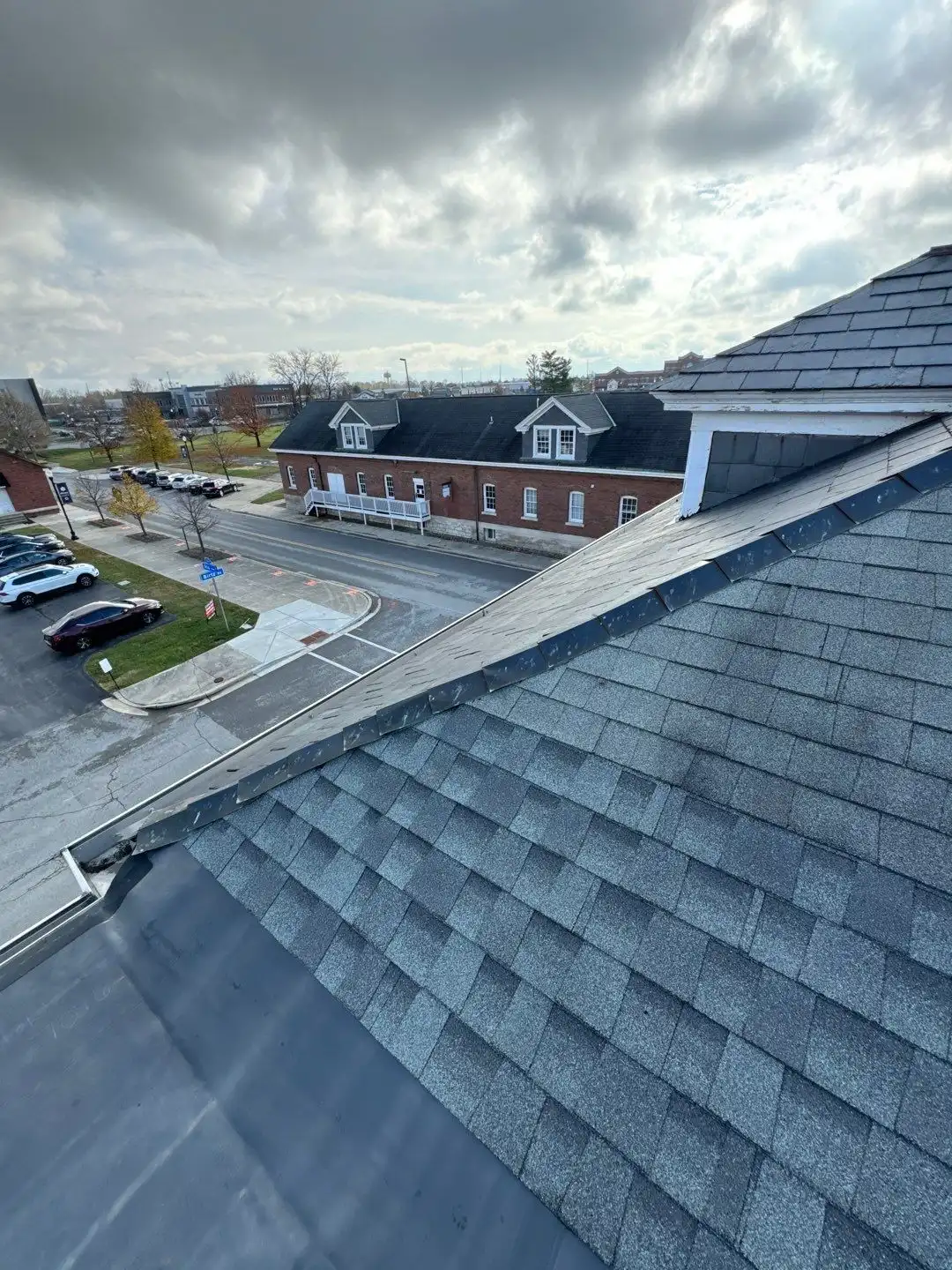
Why Coating Often Wins on Cost
The math on commercial roof coating tends to surprise first time buyers. A full replacement of a 20,000 square foot flat roof in Windfall typically runs somewhere between 8 and 14 dollars per square foot once tear off, disposal, new insulation, membrane, flashing, and labor are added up. The same roof, if it qualifies for restoration, can be cleaned, primed, repaired at seams and penetrations, reinforced with fabric at critical transitions, and coated for roughly 2 to 5 dollars per square foot depending on the chemistry chosen. That is not a small difference. On a single building it is the gap between a capital expense that requires board approval and a maintenance line item that comes out of the operating budget. Our companion piece on when to coat versus replace your commercial roof digs into the qualifying conditions, but the short version is that if your deck is dry and your membrane is still adhered, coating is almost always the better number.
There is also the disruption factor. A coating project on an occupied Windfall warehouse, office, or retail building rarely requires tenants to relocate. There is no demolition noise, no exposed deck, no scramble to cover inventory. Crews work in sections, the building stays open, and the roof goes from problem to asset over a window of days rather than weeks. For property managers juggling lease obligations, that absence of disruption can be worth as much as the dollar savings. Tenants do not file complaints, parking lots stay open, loading docks keep running, and the only sign that work is happening is a marked staging area and a lift parked discreetly along one elevation.
What You Are Actually Paying For
Coating pricing varies because the work varies. A clean, single ply TPO roof with sound seams might need only a wash, a primer, and two coats of silicone. A weathered modified bitumen roof with alligatored surfacing, blistered laps, and rusted drains needs power washing, rust treatment, fabric embedded seam reinforcement, ponding area buildup, and a heavier final mil thickness. The same square footage can price out very differently. Below is a representative range of what Windfall building owners typically see by system type.
Within those ranges, the variables that move your number most are surface preparation, the condition of seams and flashings, ponding water (which usually pushes silicone over acrylic), and how many roof penetrations need detail work. A roof with fifty curbs, vents, and skylights has a lot more linear footage of fabric reinforcement than a clean field with three drains. If you are weighing chemistries, the comparison in silicone versus acrylic roof coating covers the tradeoffs in detail. The other often overlooked cost driver is access. A single story building with easy ground level pump positioning quotes very differently than a four story office tower where every gallon of coating has to be staged through a roof hatch or hoisted by crane. Likewise, a roof with active rooftop equipment that needs to be coordinated around (HVAC service windows, vent stack lockouts, sensitive exhaust paths over a food processing line) adds labor hours that show up in the proposal even if they do not change the square footage.
The Inspection That Decides Everything
No honest coating quote starts without someone walking the roof. At Windfall Commercial Roofing, every commercial coating project begins with a free inspection where we evaluate the substrate, probe suspect areas, check for moisture in the insulation, and document the condition of seams, flashings, and drains. If the roof does not qualify for coating, we say so directly. We have walked away from projects where the membrane was delaminated across half the field or where core samples came back saturated, because applying a coating over a wet roof traps the moisture and accelerates the decay. That is not restoration, that is hiding a problem. A thorough commercial roof inspection tells you whether your roof is a candidate, what prep it needs, and what life extension you can realistically expect.
Timeline wise, most Windfall coating projects move quickly once weather cooperates. A 15,000 to 25,000 square foot roof is typically cleaned, repaired, and coated over five to ten working days, with cure times factored between coats. Temperatures need to stay above the product minimums (generally 50 degrees for application and overnight), which is why most coating work in Windfall happens between late April and mid-October. Active leaks do not wait for that window, of course, and if you have water coming through right now, the right first call is to our commercial emergency roof repair team to get the leak stopped and the interior protected. Coating planning can follow once the building is dry.
What a Coating System Actually Buys You
A properly applied coating system on a qualifying roof typically adds 10 to 15 years of service life, comes with a manufacturer warranty (often 10 to 20 years depending on mil thickness and product), and meaningfully reduces cooling load through reflectivity. White silicone and acrylic coatings reflect 80 to 85 percent of solar energy, which on a Windfall summer afternoon translates into measurable HVAC savings for tenants below. The roof also becomes a maintainable surface again. Future repairs are small and local rather than emergency tear outs, and the next recoat in a decade is cheaper than this one because the prep is lighter.
There are accounting advantages worth raising with your CFO as well. Because coating is generally classified as maintenance rather than capital improvement, the expense often qualifies for immediate deduction rather than depreciation over the building's remaining useful life. That treatment varies by situation and is worth confirming with your tax advisor, but for many Windfall owners it shifts the after tax cost of a coating project well below the after tax cost of replacement. Insurance carriers also tend to look favorably on documented coating projects with manufacturer warranties, since a reflective, reinforced, recently restored roof represents lower claim risk than an aging membrane limping toward its next storm. When Windfall Commercial Roofing hands off a completed project, the package includes inspection photos, prep documentation, batch numbers for the coating applied, mil thickness readings, and the warranty registration. That paperwork is what turns a roof from a recurring worry into a quiet, predictable line on the building's maintenance calendar for the next decade.